10 Steps to Create an English Cottage Garden That Feels Magical
If you’ve ever wandered through a storybook village and longed for that same enchanting vibe in your own backyard, learning how to create an English cottage garden is the perfect starting point. These gardens are the epitome of romantic, informal beauty—overflowing with fragrant blooms, tumbling vines, and a sense of effortless charm that feels straight out of a fairytale. Unlike rigid formal designs, an English cottage garden embraces abundance, curves, and a touch of whimsy, making any space feel magical. Whether you have a sprawling yard or a cozy corner, this guide breaks it down into 10 actionable steps to help you build your own slice of English countryside paradise. Let’s dig in and transform your outdoor space into a blooming haven.
1. Choose the Ideal Location for Your Cottage Garden
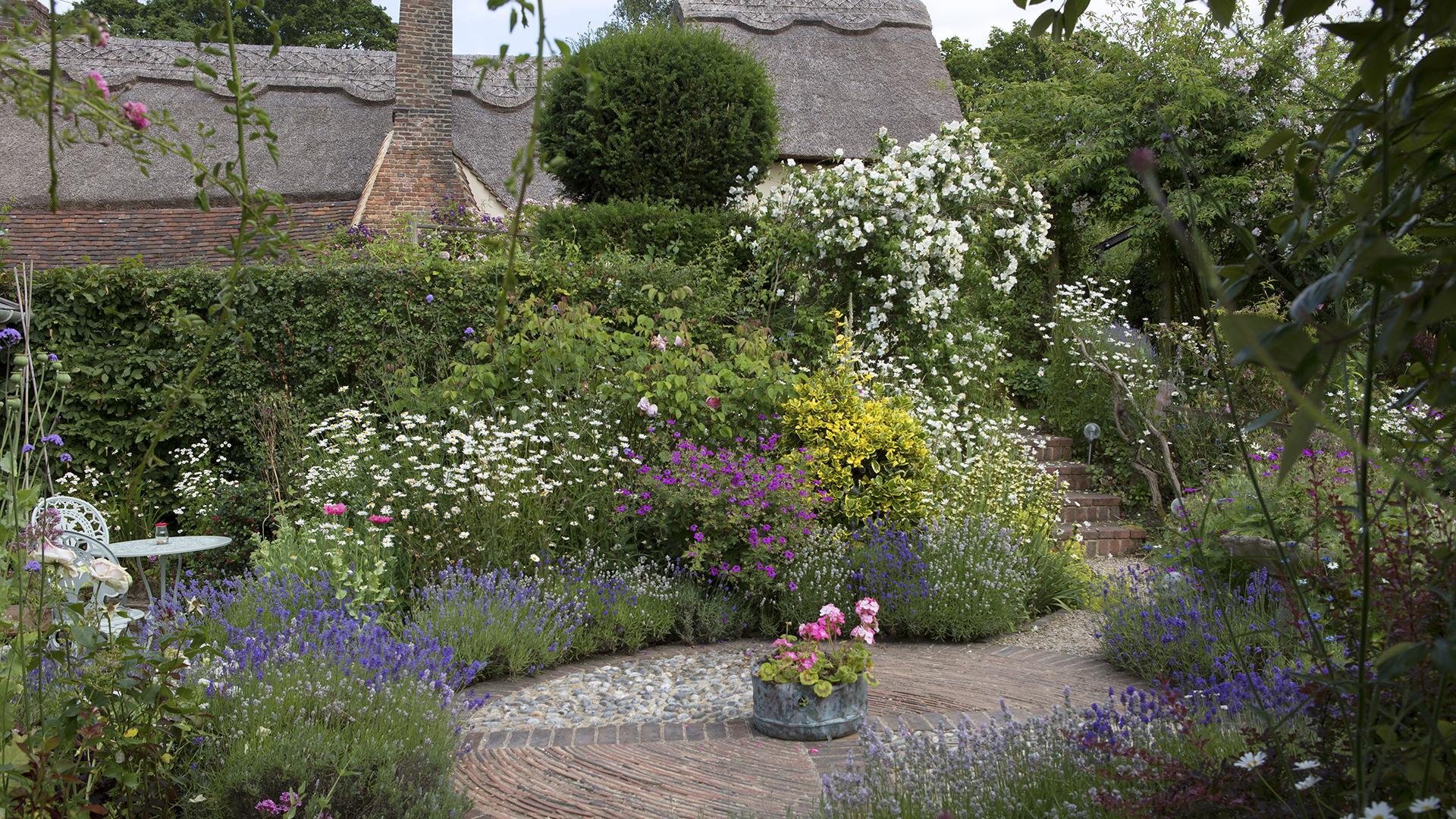
The foundation of any successful English cottage garden starts with picking the right spot. Look for an area that receives at least six hours of sunlight daily, as most classic cottage plants thrive in full sun to partial shade. Ideally, choose a location near your home so you can enjoy the views from windows or patios. Consider microclimates—sheltered spots protect delicate blooms from harsh winds, while south-facing areas maximize warmth. If your yard has uneven terrain or existing structures like a fence or wall, use them to your advantage; they add instant character and support climbing plants. Assess soil drainage too—cottage gardens love well-drained but moisture-retentive ground. Once you’ve scouted the perfect plot, measure it and sketch a rough outline. This step ensures your garden feels integrated and magical rather than tacked on.
2. Prepare the Soil for Vibrant Growth
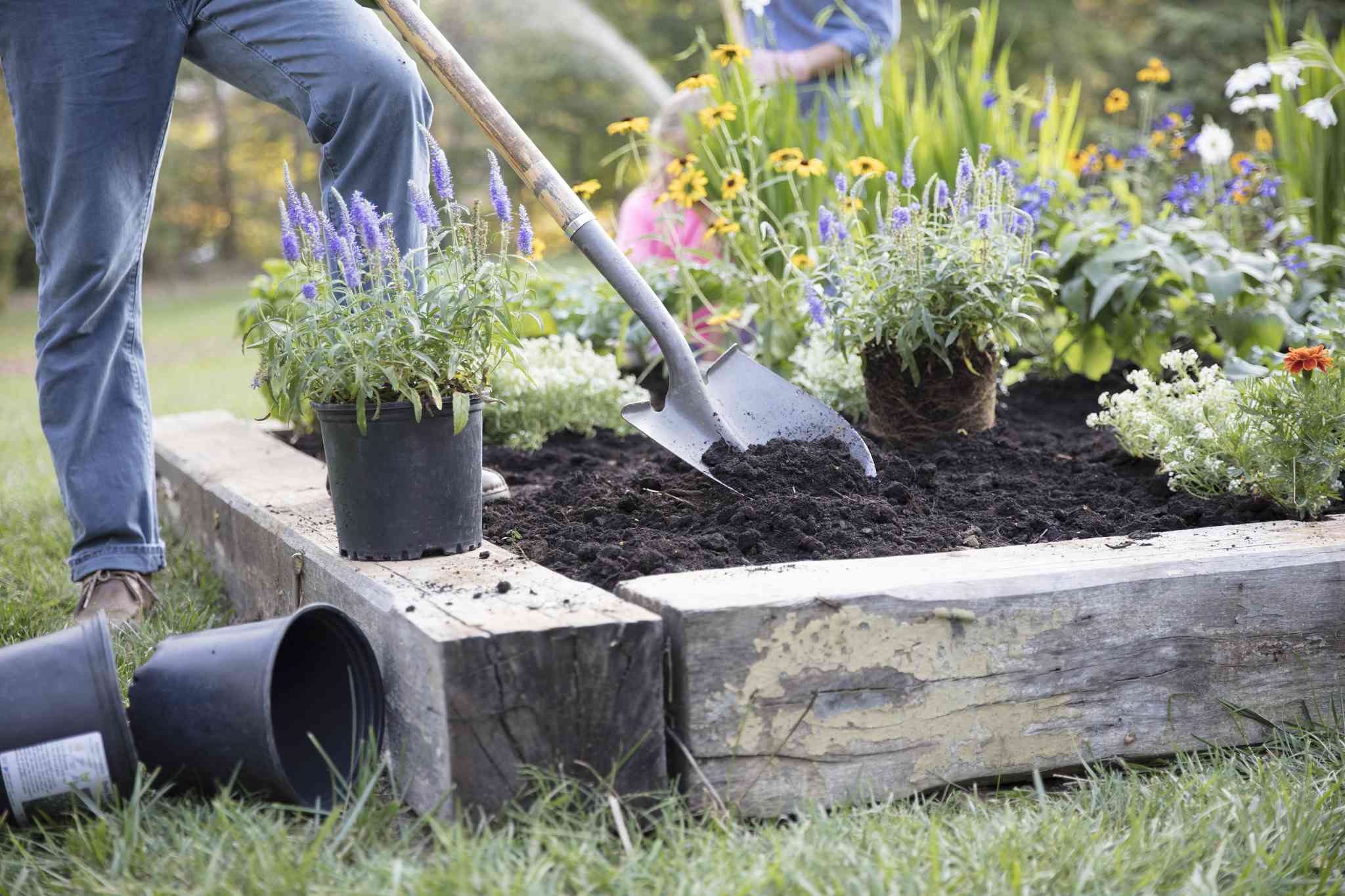
Healthy soil is the secret to that lush, overflowing look. Begin by testing your soil’s pH (aim for 6.0–7.0) and structure. Remove weeds, rocks, and debris, then dig in plenty of organic matter like compost, aged manure, or leaf mold to improve fertility and drainage. For clay-heavy soils common in many regions, add grit or sand; sandy soils benefit from extra compost to hold moisture. Work the amendments into the top 12–18 inches of soil using a fork or tiller. Mulch lightly afterward to suppress weeds and retain moisture. This preparation step pays off year after year, giving your perennials and annuals the rich foundation they need to burst into magical profusion.
3. Design Charming Pathways and Informal Layouts
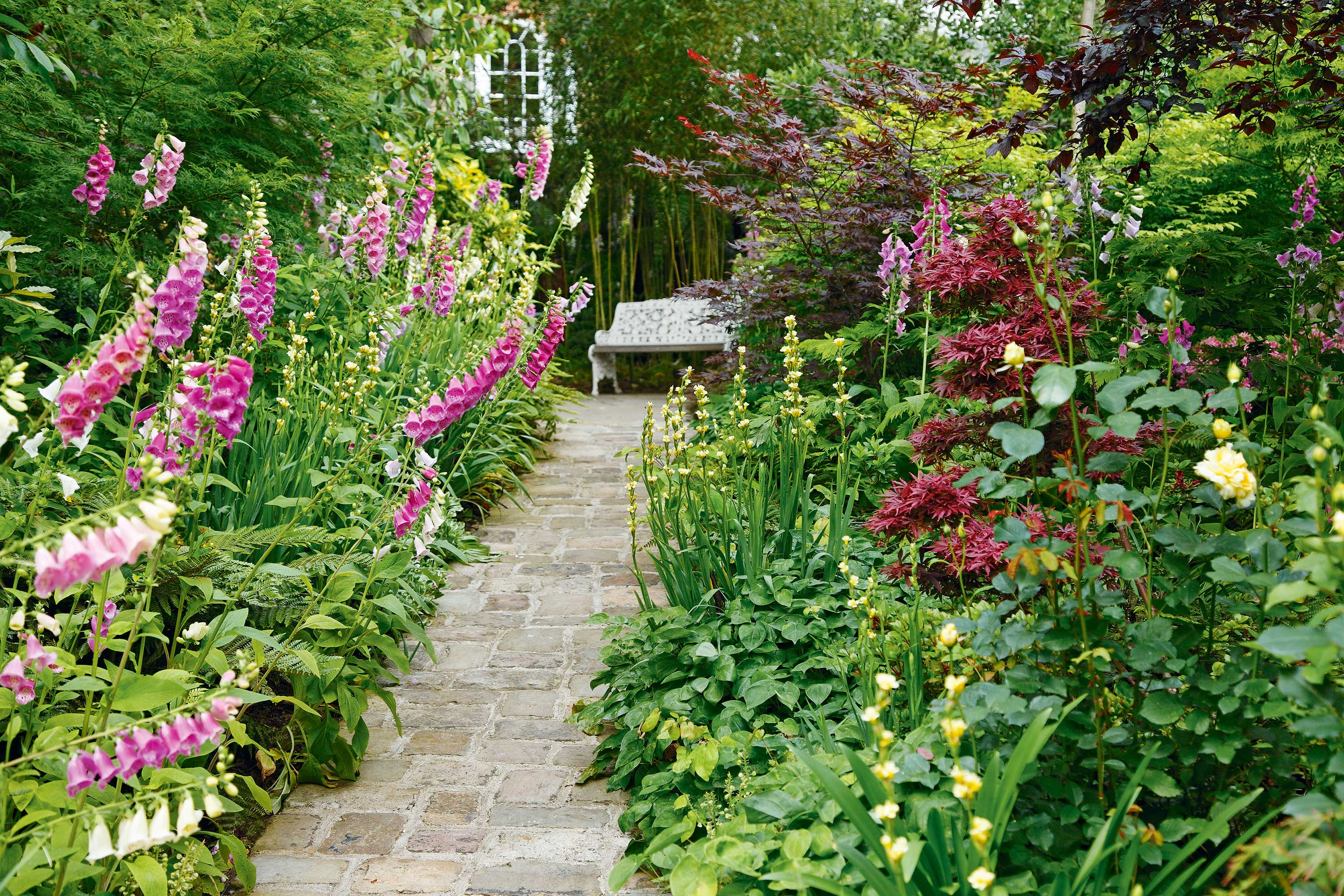
English cottage gardens thrive on curves rather than straight lines. Plan winding gravel, brick, or stone paths that invite exploration and meander between flower beds. Keep beds informal and slightly raised for better drainage and visual interest. Incorporate a central focal point—like a birdbath or small arbor—to draw the eye. Avoid symmetry; instead, create generous, overflowing borders that spill onto paths for that signature romantic feel. Use software or graph paper to map it out, ensuring room for seating and access for maintenance. This layout turns your garden into a living story, where every turn reveals new blooms and hidden delights.
4. Select the Right Plants for Timeless Cottage Charm
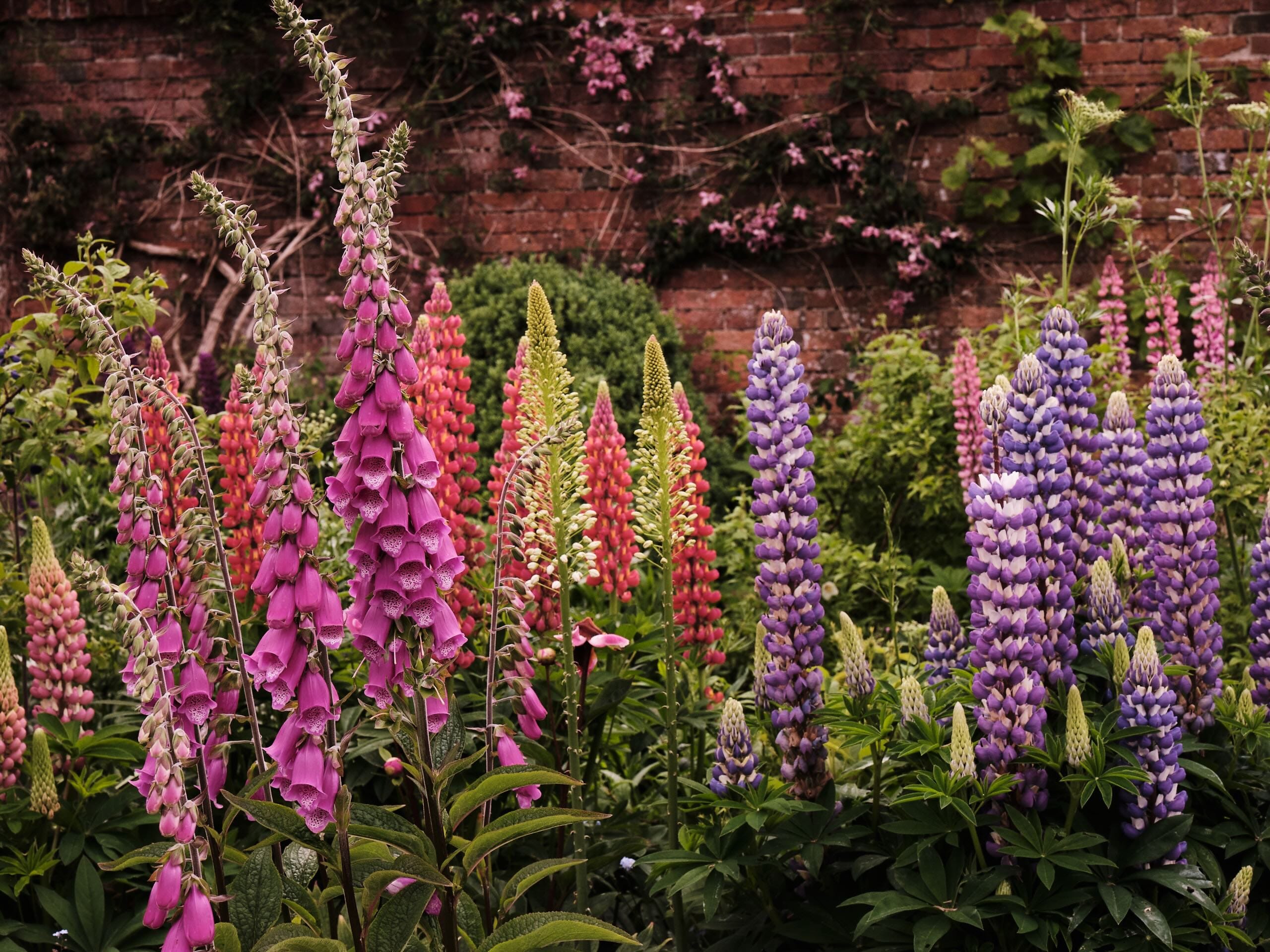
The magic lies in the plants. Prioritize a mix of perennials, annuals, bulbs, and shrubs that bloom in succession for year-round interest. Classics include old-fashioned roses, lavender, hollyhocks, foxgloves, delphiniums, and peonies for height and color. Add fragrant herbs like rosemary and thyme, plus self-seeding annuals such as cosmos and poppies for effortless abundance. Choose disease-resistant varieties suited to your climate zone. Shop at local nurseries for hardy options, and group plants in odd numbers for natural flow. This diverse palette creates the layered, painterly effect that defines how to create an English cottage garden successfully.
5. Plant in Layers for Depth and Abundance
Layering is what makes cottage gardens feel full and magical rather than sparse. Start with tall backdrops like delphiniums or hollyhocks, then mid-height plants such as roses and lavender, and finish with low-growing ground covers like creeping thyme or lady’s mantle. Plant densely—about 12–18 inches apart—to encourage intertwining and minimize weeds. Stagger bloom times so something is always flowering from spring through fall. Incorporate bulbs for early-season pops of color. As plants establish, they’ll self-seed and fill gaps naturally, evolving into that coveted overflowing look.
6. Add Vertical Interest with Climbers and Arbors
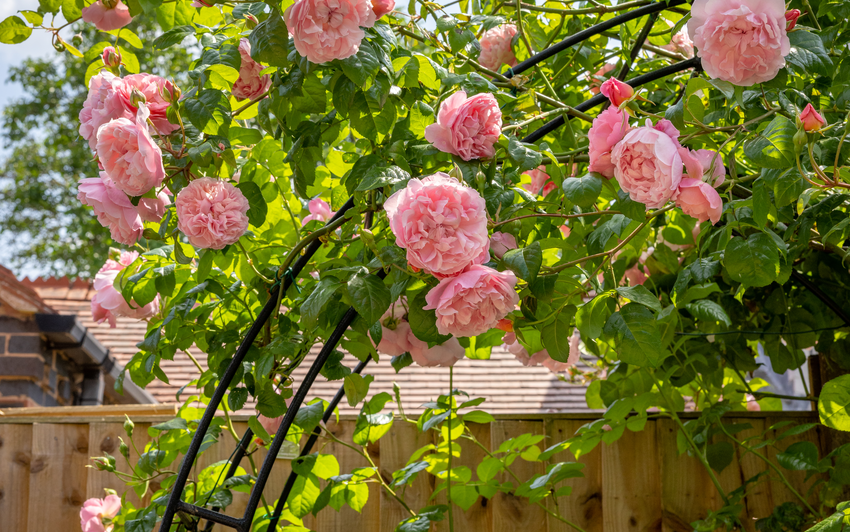
To amplify the whimsical height and romance, incorporate climbing plants. Train roses, clematis, honeysuckle, or jasmine over arbors, pergolas, or trellises placed strategically along paths or entrances. These vertical elements create “rooms” within the garden and add fragrance at eye level. Install supports early, as mature climbers can be heavy. Pair with underplantings for seamless integration. Vertical layers draw the eye upward, making even small spaces feel expansive and enchanted.
7. Integrate Herbs and Edibles for Practical Magic
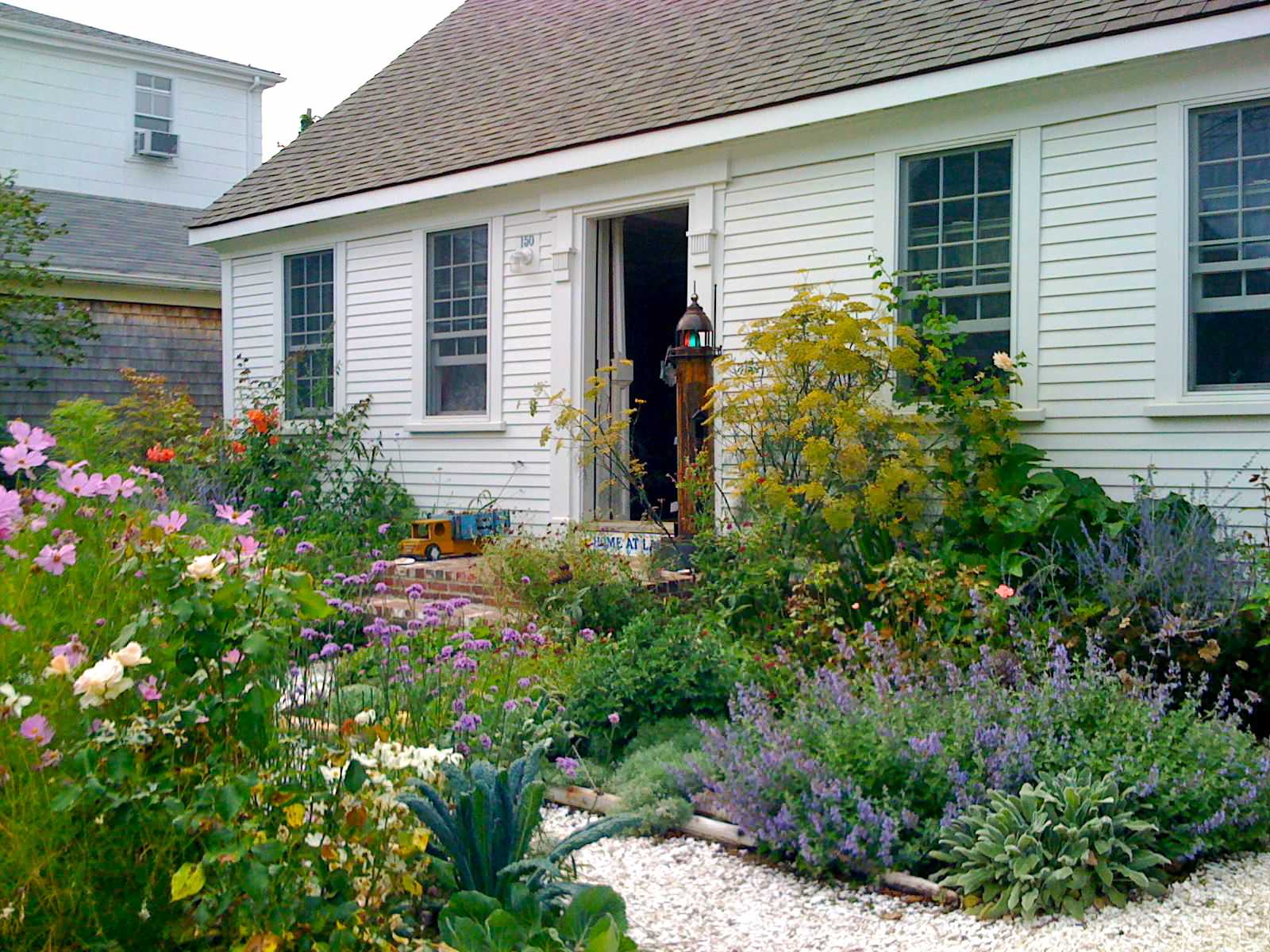
True English cottage gardens blur the line between ornamental and edible. Tuck in herbs like sage, chives, and mint among flowers—they add texture, scent, and utility. Include compact vegetables such as lettuce, kale, or bush beans in dedicated beds or mixed borders. Fruiting plants like strawberries or currants provide structure and harvests. This edible layer not only looks beautiful but supports pollinators and cuts grocery bills. Position edibles near paths for easy picking, keeping the overall design harmonious and productive.
8. Incorporate Whimsical Accents and Comfortable Seating
Accessories bring personality and invite lingering. Add vintage benches, birdbaths, lanterns, or antique urns tucked among blooms. A simple wooden gate or picket fence frames the space beautifully. Place seating in shaded nooks surrounded by fragrant plants so you can enjoy the garden up close. These elements turn a planting area into a magical retreat where memories are made.
9. Install Subtle Lighting and Water Features
Enhance the evening magic with soft solar lanterns, string lights, or path lighting that highlights key plants without overpowering the natural feel. A small pond, fountain, or bubbling water feature adds soothing sounds and attracts wildlife. Position these thoughtfully to reflect moonlight or illuminate focal points. These finishing touches extend enjoyment into twilight hours, making your garden feel truly spellbinding.

10. Maintain and Let the Garden Evolve Naturally
Cottage gardens reward gentle stewardship rather than strict control. Water deeply but infrequently once established, deadhead spent blooms to encourage reblooming, and prune lightly in late winter or after flowering. Embrace self-seeding for that lived-in charm, but edit aggressive spreaders. Mulch annually and compost to keep soil rich. Over time, the garden will mature into its own unique masterpiece—proof that the real magic happens when you let nature take the lead.

Frequently Asked Questions (FAQs)
How long does it take to create a full English cottage garden? Most gardens reach a beautiful, established look in 2–3 years. The first season focuses on soil prep and planting, while year two brings fuller blooms and self-seeding.
What if I have limited space—can I still make a cottage garden? Absolutely! Use containers, vertical walls, and narrow borders. Even a tiny balcony or patio can feel magical with layered pots, climbers, and fragrant herbs.
Are English cottage gardens high-maintenance? They require less upkeep than formal gardens once mature. Expect 4–6 hours weekly for weeding, deadheading, and light pruning—far less than a manicured lawn.
Which plants work best in hot or dry climates? Opt for drought-tolerant options like lavender, salvia, yarrow, and roses. Mulch heavily and choose native-inspired varieties for resilience.
Do I need a thatched cottage or historic home to pull this off? Not at all! Cottage-style works beautifully with modern homes, fences, or even urban backyards. The plants and layout create the magic, not the architecture.
How do I handle pests organically? Encourage beneficial insects with companion planting. Use neem oil or hand-picking for issues, keeping the garden’s natural balance intact.
Final Words
Creating an English cottage garden is more than landscaping—it’s about crafting a living, breathing space that sparks joy every time you step outside. By following these 10 steps, you’ll build a garden that evolves beautifully and feels utterly magical. Start small if you’re new to gardening, experiment with plant combinations, and most importantly, enjoy the process. Your personal paradise awaits—one bloom, one path, and one whimsical detail at a time. Grab your gloves, pick your favorite roses, and watch the magic unfold. Happy gardening!